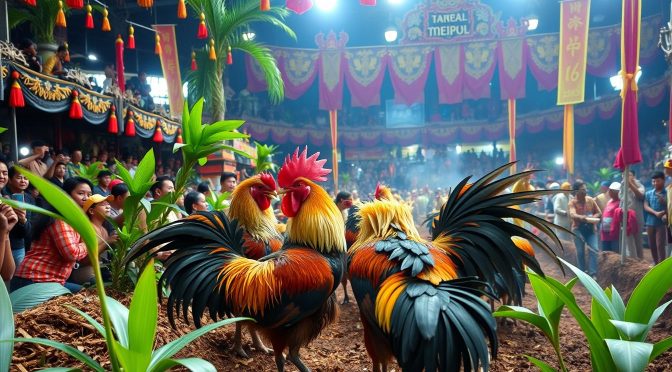
You want an edge in Sabung Ayam Vietnam Online JP, and that starts with picking a bird built to win. Look for a combination of proven bloodline, visible physical fitness, and consistent fight experience—those three factors most reliably predict which chicken will perform best in the ring.
This guide walks you through what to check when assessing health, conditioning, and training, how to spot reputable breeders and sellers, and how to match birds to odds and ethical rules so your choices make sense on and off the platform. Keep reading to learn practical, actionable checks you can use before every selection to improve your chances.
Understanding Sabung Ayam Vietnam Online JP
You will learn how matches run, the most-used terms, and which platform features affect betting and chicken selection. Focus on rules, vocabulary, and platform tools that directly change outcomes or your decision-making.
Basic Rules of Online Sabung Ayam Vietnam
Matches typically pit two game-controlled or live-streamed roosters in timed rounds. Each fight is judged by knockout, referee decision, or time expiration; bets resolve according to the platform’s stated outcome rules.
You place wagers before a round starts and sometimes during live betting windows. Stakes, minimum/maximum bet limits, and payout odds vary per platform; read those limits so you don’t wager beyond your risk tolerance.
Bet settlement follows a clear rule set: immediate payout for clear knockouts, adjusted refunds for technical issues, and platform-specific rules for disconnections or suspected manipulation. Always check dispute and evidence procedures.
Key Terminology and Concepts
Understand these terms to follow matches and analyze birds:
- Odds: numeric expression of payout ratio for a winning bet.
- KO (Knockout): one bird incapacitates the other, usually ends match immediately.
- Referee decision: outcome when no KO occurs within time limits.
- Round/time limit: set duration per match or per round that triggers a decision if no KO happens.
Other useful concepts include stamina (how long a bird can fight effectively), strike patterns (aggressive vs. tactical), and pedigree (breeding lines linked to performance). Track recent fight records and injury history; those metrics influence expected performance and odds.
Online Platforms and Their Features
Platforms differ in core features that influence how you choose and bet:
- Live video: quality and delay affect your ability to judge in-play shifts. Prefer low-latency streams.
- Real-time stats: platforms that display strike counts, stamina bars, or historical win/loss improve decision-making.
- Bet types and limits: single-win, parlay, and in-play betting widen strategy options. Check min/max bets and settlement rules.
Security and fairness features matter: available audit logs, third-party RNG or verification for simulated fights, and clear dispute resolution policies reduce risk. Payment options and withdrawal speeds affect bankroll management, so pick platforms with transparent fees and fast processing.
Criteria for Selecting Champion Chickens
Choose birds with compact power, clean health indicators, proven bloodlines, and documented fight records. Prioritize measurable traits you can inspect: body structure, leg strength, parentage, and past performance.
Physical Characteristics of Superior Chickens
Look for a balanced, compact body — neither too long nor too round. A chest that is broad and deep indicates lung capacity and striking stability; a short back concentrates power for forward momentum.
Examine leg structure closely. Thick, muscular thighs and firm shanks with a slightly forward stance give better drive and balance. Compare spur size and placement; functional short spurs with solid attachment beat brittle, overlong spurs.
Check feathers and skin for health signs. Smooth, glossy feathers and clean, unblemished skin show good conditioning and lower disease risk. Inspect the eyes: bright, focused eyes suggest alertness and reaction speed.
Assess weight relative to frame. A fighting weight that keeps the bird agile without excess fat is ideal. You should handle the bird to judge muscle tone and respiratory effort.
Evaluating Chicken Lineage and Genetics
Ask for verifiable pedigree information and names of parent stock. Certain breeds and families (for example, established regional strains) consistently pass on aggression patterns, stamina, and structural traits you want. Record lineage details in your notes to compare across candidates.
Look for champions or repeated winners in the pedigree. Multiple winners in recent generations increase probability of inheriting fight-specific traits like balance, persistence, and situational intelligence. Avoid vague claims; request breeder references or documented match outcomes.
Consider heritability of specific traits. Quick recovery between rounds, natural posture, and accurate targeting tend to be genetic. Prioritize birds whose parents demonstrated the same fighting style you prefer, because matching style reduces training adjustments and improves predictability.
Performance History and Track Record
Review documented match history, not just anecdotes. Check past opponents, fight lengths, and results to evaluate consistency under pressure. A bird that repeatedly wins short technical bouts might not perform in long endurance fights.
Analyze fight footage when available. You can observe timing, distance management, and adaptability. Note how the bird responds to different styles; a versatile bird that adjusts tactics mid-fight has higher competitive value.
Record injury history and recovery timelines. Recurrent injuries or long recovery gaps reduce future reliability. Also verify training regimen and recent sparring partners to confirm current form and conditioning.
Assessing Health And Condition
Focus on measurable, observable signs: look for clear eyes, firm muscles, consistent energy, and no respiratory noise. Also inspect keel bone, legs, and vents closely to detect hidden injuries or past infections.
Signs of Optimal Health
Check the eyes and comb first; they should be bright, moist, and free of discharge. A pale or dry comb can indicate anemia or dehydration, while swelling or lesions suggest infection.
Feel the breast and thigh muscles. They should be firm and well-developed with no soft spots or asymmetry. Run your hands along the keel bone—minimal prominence means good muscle cover.
Observe breathing and behavior. The bird should inhale quietly and move with quick, coordinated steps. Normal crop function shows a slight soft bulge after feeding, not persistent distention.
Inspect feathers and skin. Smooth, glossy plumage and clean skin without mites or scabs point to recent good care. Note weight: a fight-ready rooster is lean but muscular, not overweight or emaciated.
Checking for Hidden Weaknesses
Palpate joints and legs for heat, swelling, or stiffness that might not show during short handling. Subtle lameness often appears as slight favoring of one leg or reduced spur use.
Open the beak to check oral cavity and nostrils for ulcers, mucus, or odd odors. Runny or sticky nasal discharge and wheezing indicate respiratory disease that lowers stamina.
Examine the vent and cloaca for scarring, prolapse, or persistent dampness. These can signal past parasitic loads or infections that reduce performance.
Request a brief fight or movement history from the seller. Ask about recent illnesses, treatments, and recovery periods—undisclosed antibiotics or long rest periods can hide chronic issues.
Evaluating Training and Preparation
Focus on concrete, observable elements of a rooster’s training and conditioning that predict fight readiness: the specific drills used, frequency and intensity, recovery practices, and visible conditioning markers such as muscle tone and respiratory control.
Reviewing Training Techniques
Check for structured drills rather than random exercise. Look for interval sparring sessions that mix 1–3 minute high-intensity bursts with short rest periods; this builds anaerobic power and mirrors fight pacing. Weight and resistance work should be modest—leg and wing strengthening with light harnesses or controlled uphill runs—so the bird gains power without compromising agility.
Inspect technique training: repeated practice of foot placement, striking angles, and defensive turns matters more than raw aggression. Trainers who use progressive overload (gradually increasing drill difficulty) and record performance metrics like clap-to-clap recovery times tend to produce more consistent fighters. Ask about diet timing around training; feeding too close to hard sessions impairs performance.
Observing Pre-Fight Conditioning
Watch the bird’s gait and breathing during warm-ups. Smooth, even strides and calm, shallow breathing after a 5–10 minute warm-up indicate adequate cardiovascular conditioning. Rapid, noisy breathing or a jerky gait suggests overtraining or respiratory strain.
Assess visible muscle definition along the thighs and breast; firm, elastic flesh indicates readiness, while flabby or excessively hard (tight) muscle can signal under- or over-conditioning. Note energy consistency during repeated short drills—if the rooster maintains peak intensity across three consecutive rounds, its stamina profile is reliable. Confirm recovery protocols: scheduled rest days, saline or electrolyte rehydration after long sessions, and routine joint icing or massage reduce injury risk and maintain performance.
Reputable Breeders and Seller Insights
You need breeders who document bloodlines, provide health records, and let you inspect birds or videos before purchase. Watch for clear pricing, responsive communication, and third-party references.
Identifying Trusted Breeders
Look for breeders with verifiable lineage records (pedigree sheets or registration numbers). Ask for recent fight or match histories tied to specific birds, and request high-resolution videos showing walking gait, spur condition, and in-fight stamina rather than staged clips.
Prefer breeders who provide:
- Health documentation: vaccination logs, parasite treatments, and vet checks.
- Transparent terms: return policy, shipping insurance, and post-sale support.
- References: contactable buyers or forum threads with dated feedback.
Visit the farm when possible or insist on live video inspection. Trust consistent, prompt communication and sellers willing to discuss training, feeding, and recovery routines in detail.
Warning Signs of Unreliable Sellers
Be wary of sellers who refuse to share lineage or health records. Vague or contradictory answers about a bird’s age, weight, or past performance indicate risk.
Common red flags:
- No verifiable references or only anonymous testimonials.
- Pressure tactics: limited-time offers that rush you into payment.
- Unclear logistics: no shipping receipts, no tracking, or evasive refund policies.
Avoid sellers who only provide edited fight clips, decline video calls, or insist on unconventional payment methods without buyer protection. If pricing seems too good compared to comparable birds with similar records, treat it as a warning rather than a bargain.
Choosing the Right Match and Odds
You should focus on physical and behavioral edges between the two birds, then use the posted odds to measure value and risk. Target matches where one bird shows clear advantages you can verify on video or past records, and use odds to size your stake accordingly.
Understanding Matchups in Sabung Ayam
Look for three concrete factors: weight/class, fighting style, and recent fight history. Weight and class differences affect power and stamina; a 200–300 g gap in smaller breeds matters more than in heavy types. Fighting style matters — aggressive spikers can overwhelm counter-strikers early, while counter-strikers may win late if they avoid blows.
Inspect recent footage for rhythm, wing placement, and recovery between rounds. Note injuries, missing tail or wing feathers, and breathing sounds after exertion. Track head-to-head lineage or familiar trainers; birds from proven lines or experienced handlers often enter better prepared.
Use a simple checklist before you bet:
- Weight/class — within acceptable range?
- Recent wins and recovery time — any long layoffs?
- Visible injuries or fatigue signs on video?
- Style matchup — does one bird exploit the other’s weakness?
Interpreting Betting Odds
Treat odds as both probability signals and payout calculators. Convert fractional or decimal odds to implied probability to spot mispriced bets. For example, decimal 2.50 implies 40% chance (1/2.50); compare that to your assessment from video and records.
Distinguish favorites from value picks. A favorite at short odds may be safe but offer poor return. A longer-odds bird can be profitable if you find flaws in the favorite the market overlooked — such as recent poor recovery or unfavorable style matchup.
Manage stake size based on edge and bankroll: bet smaller when your confidence gap versus the market is small. Keep records of wagers and outcomes to refine how you read odds over time.
Ethical Considerations and Legal Aspects
You should recognize that sabung ayam involves real animals and carries ethical concerns about animal welfare. Many critics argue the practice is inherently cruel; others frame it as cultural tradition, so you must weigh both perspectives.
Check the law where you are located before participating. In some countries and regions, cockfighting is explicitly illegal; in others it is regulated in designated venues with licenses, schedules, and taxes.
If you use online platforms, verify their compliance and age restrictions. Licensed operators may implement safeguards like ID checks and betting limits, but regulation does not eliminate ethical issues.
Consider these practical steps to reduce harm:
- Avoid platforms that promote animal cruelty.
- Support venues or operators with transparent licensing.
- Refuse to bet on fights where weapons or illegal enhancements are used.
You should also be aware that involvement can carry reputational and legal risk. Even if a platform claims legality, local enforcement, money laundering concerns, and changing laws can affect you.
When choosing an animal, prioritize humane treatment and documented care history. Records of veterinary care and training methods indicate more responsible handling and lower risk of abusive practices.
Maximizing Success in Sabung Ayam Vietnam Online JP
You increase your chances by combining observation, data, and disciplined bankroll management. Watch recent fight footage and note each bird’s stamina, strike speed, and recovery between rounds.
Track simple statistics in a table to compare contenders quickly. For example:
| Metric | What to look for |
|---|---|
| Stamina | Lasts several rounds without slowing |
| Speed | Quick, accurate strikes |
| Defense | Avoids or blocks attacks |
| History | Wins against similar opponents |
Use betting limits and a session budget to protect your balance. Set a maximum loss and stick to it; stop after a clear winning streak so you don’t give profits back.
Prioritize value bets over favorites when odds favor upside. Identify underdogs with strong recent form or matchup advantages, and size bets proportionally to confidence.
Maintain focus on observable, repeatable factors rather than gut feelings. Emotional betting erodes discipline and leads to avoidable losses.
Keep learning by reviewing outcomes and updating your criteria. Refine your watchlist regularly so you base choices on fresh, relevant performance data.